
Strengths, preferences, culture, communication, routines, and desired life outcomes shape the plan.
Adaptive Skills Training
Practical instruction for the skills life actually asks for.
Individualized teaching designed to strengthen existing abilities and address functional skill needs in ordinary home and community settings.
Service philosophyFunctional relevance before convenience.
Goals should matter to the individual and connect to meaningful, authorized outcomes.
A plain-language overview
What is Adaptive Skills Training?
Adaptive Skills Training is individualized instruction that helps a person learn, strengthen, generalize, or maintain practical skills used in everyday life. Teaching is tied to meaningful routines and measurable outcomes—not a preset curriculum—and may occur in home or community settings when appropriate.
Nexoria’s developing Service Code 605 program is intended for regional-center-authorized adaptive-skill needs. It does not determine regional-center eligibility, replace the IPP process, or guarantee that a requested service will be authorized.
Goals are broken into practical steps with the least assistance needed for successful learning.
Practice, feedback, natural supports, and thoughtful fading support generalization and independence.

Designed around daily life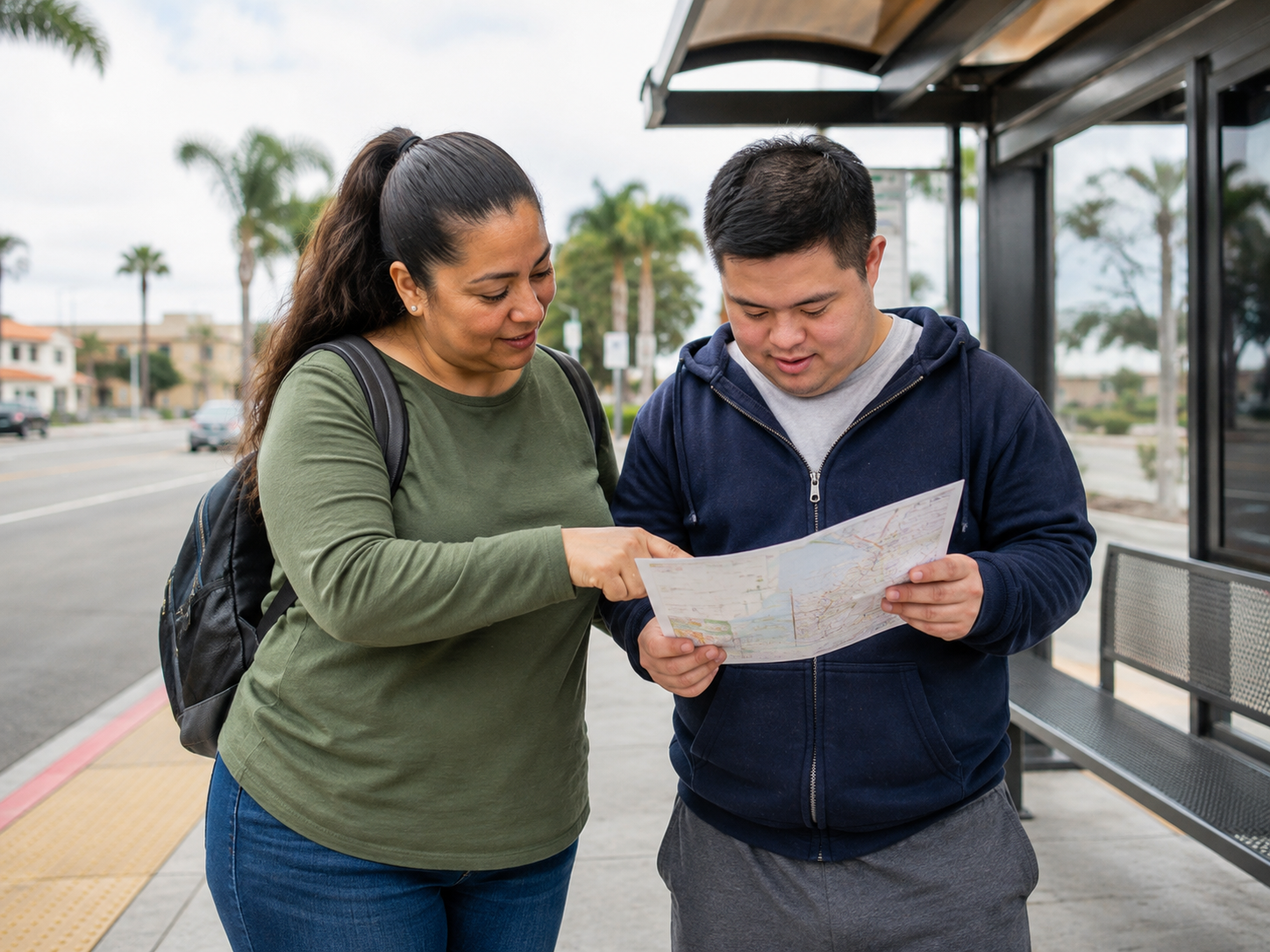 Community access & travel
Skill-building should translate beyond the session.
Instruction is organized around practical goals, real routines, and the level of support the individual actually needs—then adjusted as competence grows.
Community access & travelPotential service domains
Skills AST may address
Examples below are not an automatic menu of covered services. Actual goals depend on the person’s assessed needs, written plan and authorization, preferences, staff competence, and the setting.
Community access
Shopping, recreation, appointments, public resources, social participation, navigation, and community independence.
Safety
Personal and community safety routines, hazard awareness, help-seeking, emergency routines, and safe participation.
Hygiene & daily routines
Task-analyzed instruction for dressing, grooming, household participation, organization, and other authorized routines.
Purchasing & food skills
Planning, budgeting, food selection, shopping, kitchen sequencing, preparation, and safety within assessed competence.
Communication & choice
Functional communication, self-advocacy, decision-making, help-seeking, preferences, and participation in daily choices.
Technology & self-management
Functional use of phones, calendars, reminders, accessibility tools, online resources, organization, and privacy/safety skills.
Our process
From referral to meaningful progress.
Once vendorization is complete, each authorized case will follow a structured pathway designed to protect scope, quality, and individual choice.
- 01Understand the person and authorization
Review authorized outcomes, preferences, communication, strengths, routines, safety needs, and current supports.
- 02Define measurable objectives
Translate meaningful outcomes into observable skills, baselines, teaching steps, and practical criteria for progress.
- 03Teach in natural environments
Use structured practice, modeling, visual supports, prompts, feedback, reinforcement, and environmental arrangement as appropriate.
- 04Review, generalize, and fade
Use progress data and feedback to revise ineffective procedures and reduce unnecessary support as competence grows.
Responsible scope
What AST does—and does not—cover
A skill is not automatically within AST scope simply because it matters. The requested instruction must relate to an assessed functional need, the person’s written IPP and service authorization, and Nexoria’s ability to serve the need safely and competently.
Nexoria’s Service Code 605 program is being developed as Adaptive Skills Training—not ABA, psychotherapy, medical or nursing treatment, respite, custodial supervision, personal attendant care, transportation-only service, academic tutoring, or another separately authorized service.
Needs outside scope are referred or coordinated with the Regional Center and appropriately qualified providers rather than absorbed into AST.